
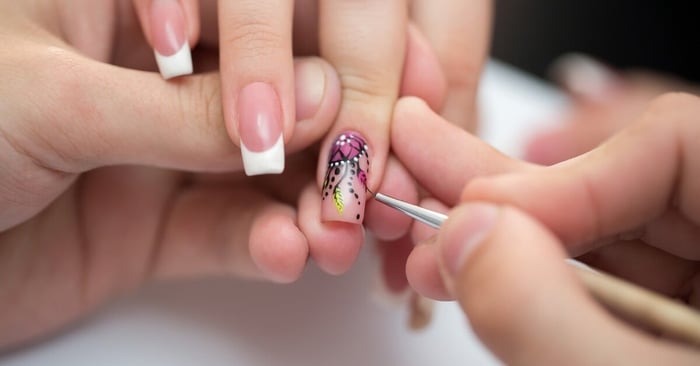
From ancient queens flaunting crimson fingertips to today’s holographic chrome, nails have always been a bold form of self-expression. The evolution of nail art—from classic to contemporary—tells a story of culture, creativity, and constant reinvention. Each era has left its mark, from the 1920s Hollywood moon manicures to the famous 1980s French manicures and today’s Instagram marble art. Whether you’re painting at home or running a salon, this journey shows how every manicure is part of a much bigger style legacy.
When Nail Art Began
The practice of decorating nails dates back further than you may realize. As early as 5000 BC, women in India decorated their fingertips with henna. In ancient Babylon, warriors would paint their nails with kohl before heading into battle, with different colors signifying social rank.
Similarly, in ancient China around 3000 BC, nail color was tied to social status. Royalty favored gold and silver, later transitioning to bold red and black, while lower classes were forbidden from wearing bright colors on their nails.
The ancient Egyptians also used nail color to signify social class. Queen Nefertiti and Cleopatra were known for coloring their nails with henna, with deep red shades reserved for those in the highest echelons of society. These early forms of nail adornment were less about intricate designs and more about using color to communicate power, status, and cultural identity.
Classic Nail Art Through the Ages
The 20th century marked the beginning of modern nail fashion as we know it, with each decade introducing its own signature styles.
1920s-30s: Moon Manicure
The Roaring Twenties brought with it the invention of modern car paint, which inspired the creation of the first liquid nail polishes. Most polishes were sheer or watery, but in 1932, Revlon launched a pigment-based polish. With this product introduction, a wide range of opaque colors was accessible to the public for the first time.
The "Moon Manicure" became the era's signature look. To achieve this nail style, you would apply polish to most of the nail, leaving the base bare in a half-moon shape. The signature “moon” look references the milky-white lunula at the base of the nail where new cells are produced. Many considered this style chic and sophisticated at the time, and it’s even found a resurgence today.
1950s: Classic Red
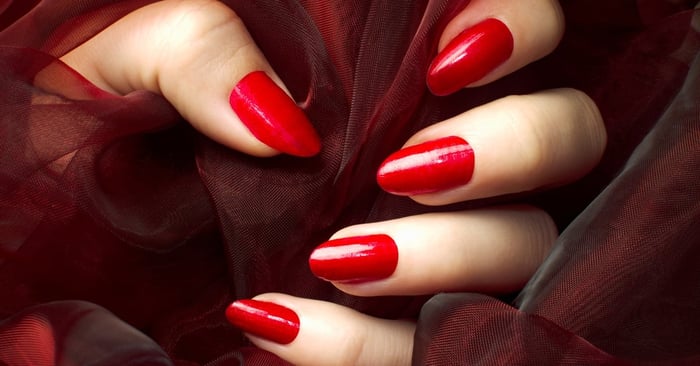
Following the austerity of the war years, the 1950s embraced glamour. Red nails became a symbol of classic Hollywood elegance, popularized by stars like Marilyn Monroe and Rita Hayworth.
The preferred nail shape was long and almond, and a full coat of vibrant red polish became the go-to look. It was simple, yet bold and undeniably feminine.
1970s-80s: Bold and Rebellious
The 1970s and 80s were decades of rebellion and bold statements, and nail art was no exception. The classic French manicure made its debut in the '70s, offering a clean, natural look that complemented any outfit.
However, as the disco and punk rock scenes emerged, so did louder nail trends. The 1980s were all about excess. Bright neon colors, glitter, and the first instances of hand-painted designs and stick-on nail decals became popular. Square-shaped acrylic nails also gained prominence, providing a larger canvas for creative expression.
1990s: Grunge Chic
The '90s offered a mix of grunge aesthetics and minimalist chic. Dark, moody shades like deep reds, purples, and blacks became popular, reflecting the alternative music scene. Hip-hop culture also heavily influenced nail trends, popularizing airbrushed designs and jeweled embellishments.
At the same time, the nail brand Hard Candy introduced a highly pigmented pastel blue polish that changed the nail industry forever. The brand unveiled unusual, bold shades with equally unusual names for the time, like Bubble Gum, Vinyl, and Holiday Suicide. This proves that women and men (Hard Candy had a men’s line of polish, too!) were ready to become more experimental with their nail design.
The Modern Nail Art Revolution
The turn of the millennium kicked off a new era for nail art, driven by technological breakthroughs and the rise of digital culture.
2000s: Bling Era
The 2000s were a playful and experimental time for nails. Rhinestones, intricate hand-painting, and logo-mania were everywhere. Long acrylic nails remained a staple, often adorned with multiple colors and patterns. This decade also saw the initial rise of "nail art" as a specific hobby and professional service, moving beyond simple polish application.
2010s: Social Media Boom
The 2010s are when nail art truly exploded into the mainstream. Celebrities began wearing more interesting and artistic designs on the red carpet. Before long, awards shows featured fashion red carpets as well as miniature nail red carpets, complete with “mani cams” to capture the wonderful nail designs.
In addition to these “mani cams,” social media platforms like Instagram and Pinterest exploded, allowing nail artists to share their work with a global audience, inspiring millions.
This boom in social media led to a surge in creativity, with trends like ombre, geometric patterns, negative space, and "shattered glass" nails going viral. Gel polish, which offered a durable, high-shine finish that lasted for weeks, became a salon essential. The development of high-quality gel nail systems enabled professionals to create intricate designs without them chipping a day later.
Tech Innovations
Technological advancements have been a major catalyst in the nail art revolution. UV and LED lamps made curing gel polish quick and efficient, a significant improvement for busy salons.
Innovations in product formulas, such as stronger acrylics and more versatile polygels, gave nail technicians greater control and creative freedom. These professional-grade materials are essential for achieving the complex, durable looks clients demand.
Professional Impact
The growing demand for intricate nail art elevated the role of the manicurist from a nail technician to a nail artist. Salons began specializing in detailed nail design, and the industry saw a rise in celebrity nail artists who became influencers in their own right. For brands serving nail professionals, this meant focusing on creating products that looked beautiful but also performed reliably under the pressure of creating detailed, long-lasting art.
Contemporary Trends and Innovations
Today, nail art is more diverse and accessible than ever before. The lines between trends are blurred, allowing for maximum personal expression.
3D Nail Art
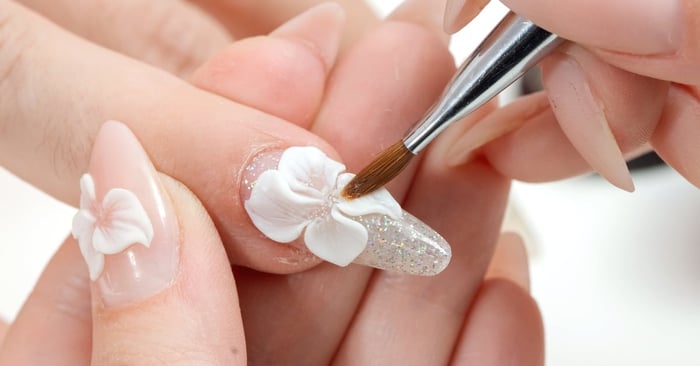
3D nail art takes creativity to the next level by adding physical dimension to the nails. This can range from subtle gems and studs to charms, chains, and elaborate sculpted acrylic designs. Artists use builder gels and acrylic powders to create miniature sculptures directly on the nail, transforming a manicure into wearable art.
Smart Nails
The intersection of beauty and technology has given rise to futuristic concepts like smart nails. These involve embedding tiny NFC (near field communication) chips into artificial nails, turning your regular manicure into smart nails that can be programmed to perform simple digital tasks, like making a payment with a tap.
DIY Accessibility
While professional nail art is thriving, there has also been a massive increase in the accessibility of DIY nail art. High-quality polishes, stamping plates, decals, and nail art tools are now readily available to consumers. Online tutorials and a supportive community empower enthusiasts to recreate salon-worthy looks at home, making nail art a fun and creative hobby for everyone.
The Future of Nail Art
Nail art has come a long way from its origins as a simple status marker. It is now a dynamic and inclusive form of artistic expression, constantly being reshaped by fashion, technology, and culture.
As we look to the future, we can expect to see even more personalization, sustainable and non-toxic product innovations, and further integration with technology. The creative possibilities are truly limitless. In the end, the evolution of nail art, from classic to contemporary, is a vibrant reflection of our own changing world.